Introduction
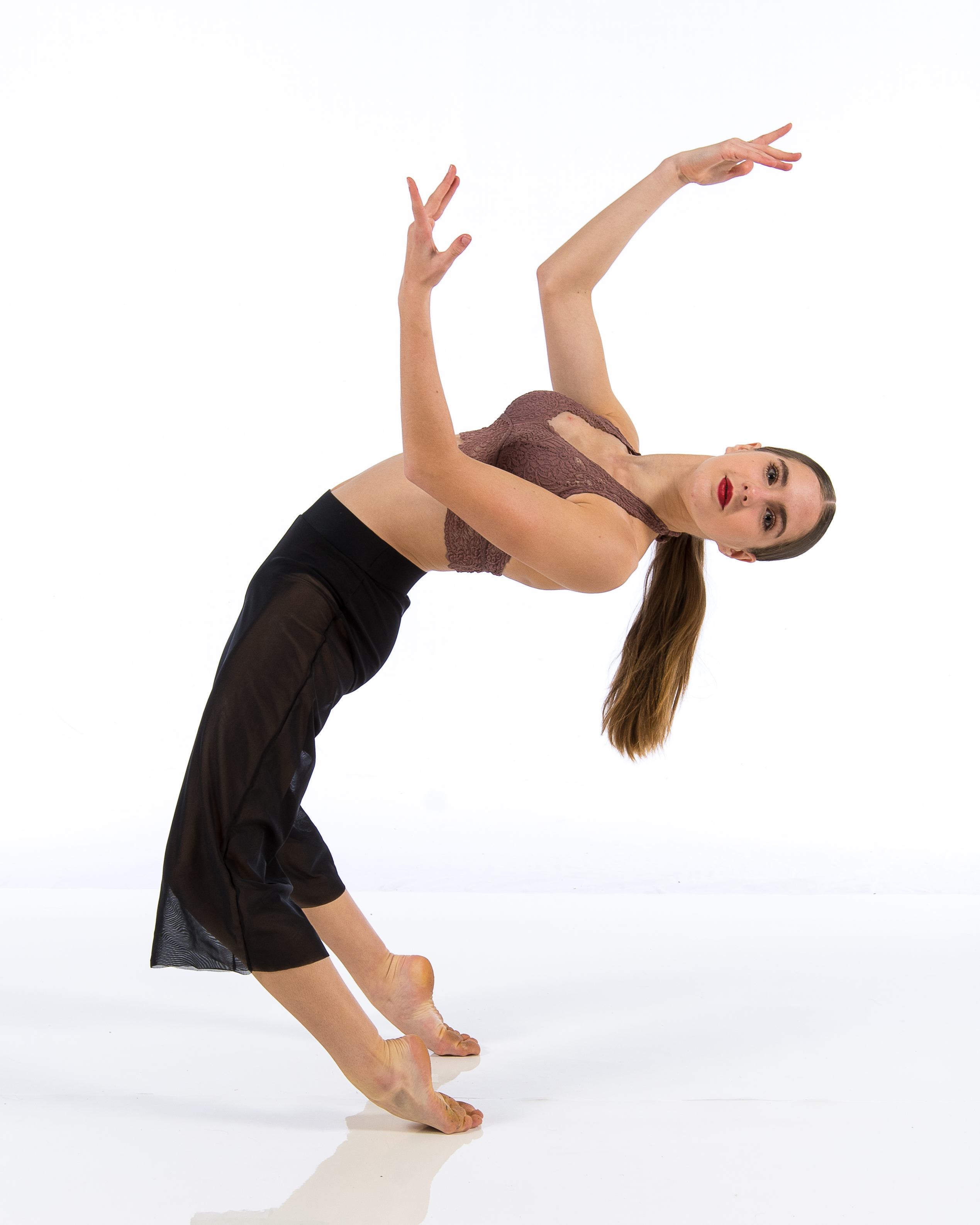
Dancing is more than just a form of art; it’s a powerful tool for enhancing our overall well-being. While many people think of dancing purely as entertainment or a social activity, the benefits stretch far deeper into our physical, mental, and emotional health. In this article, we'll explore how regular dancing can improve your overall quality of life, and why you might want to consider joining a local dance studio to reap these benefits.
How Regular Dancing Can Improve Your Overall Quality of Life
Regular dancing serves as an excellent form of exercise and offers numerous best dance academy mental and emotional benefits. It engages your body in movement while simultaneously working to enhance cognitive functions. Here are some ways that regular dancing can elevate your quality of life:
Physical Benefits of Dance
Cardiovascular Health- Dance is an aerobic activity that gets the heart pumping. Engaging in regular dance sessions can lead to improved cardiovascular health.
- Different dance styles require various movements that build strength and flexibility in muscles.
- Consistent dancing can help burn calories, making it easier to maintain a healthy weight.
- Dance enhances coordination and balance through body awareness, helping prevent falls as we age.
Mental Benefits of Dance
Enhanced Cognitive Function- Learning new dances stimulates brain function by encouraging memorization and quick thinking.
- The rhythmic movements combined with music create a natural outlet for stress relief.
- Dancing releases endorphins, which can lead to feelings of happiness and euphoria.
Emotional Benefits of Dance
Building Confidence- Mastering new moves in dance builds self-esteem and personal confidence.
- Joining a dance community fosters friendships, reducing feelings of loneliness or isolation.
- Dance provides a unique avenue for emotional expression that words may not convey adequately.
Exploring Different Dance Styles
Ballet: A Graceful Expression
Ballet is often viewed as one of the most elegant forms of dance. It requires discipline, strength, and flexibility but also provides incredible mental focus.
Hip-Hop: The Rhythm That Moves You
Hip-hop is energetic and expressive, allowing dancers to let loose while improving cardiovascular fitness through upbeat movements.
Salsa: A Social Experience
Salsa dancing is not just about the steps; it's about connection with others—perfect for enhancing social skills while having fun!
Ballroom: The Classic Choice
Engaging in ballroom dancing teaches poise while promoting teamwork with a partner—a great way to bond in relationships.
The Role of Dance Studios in Your Journey
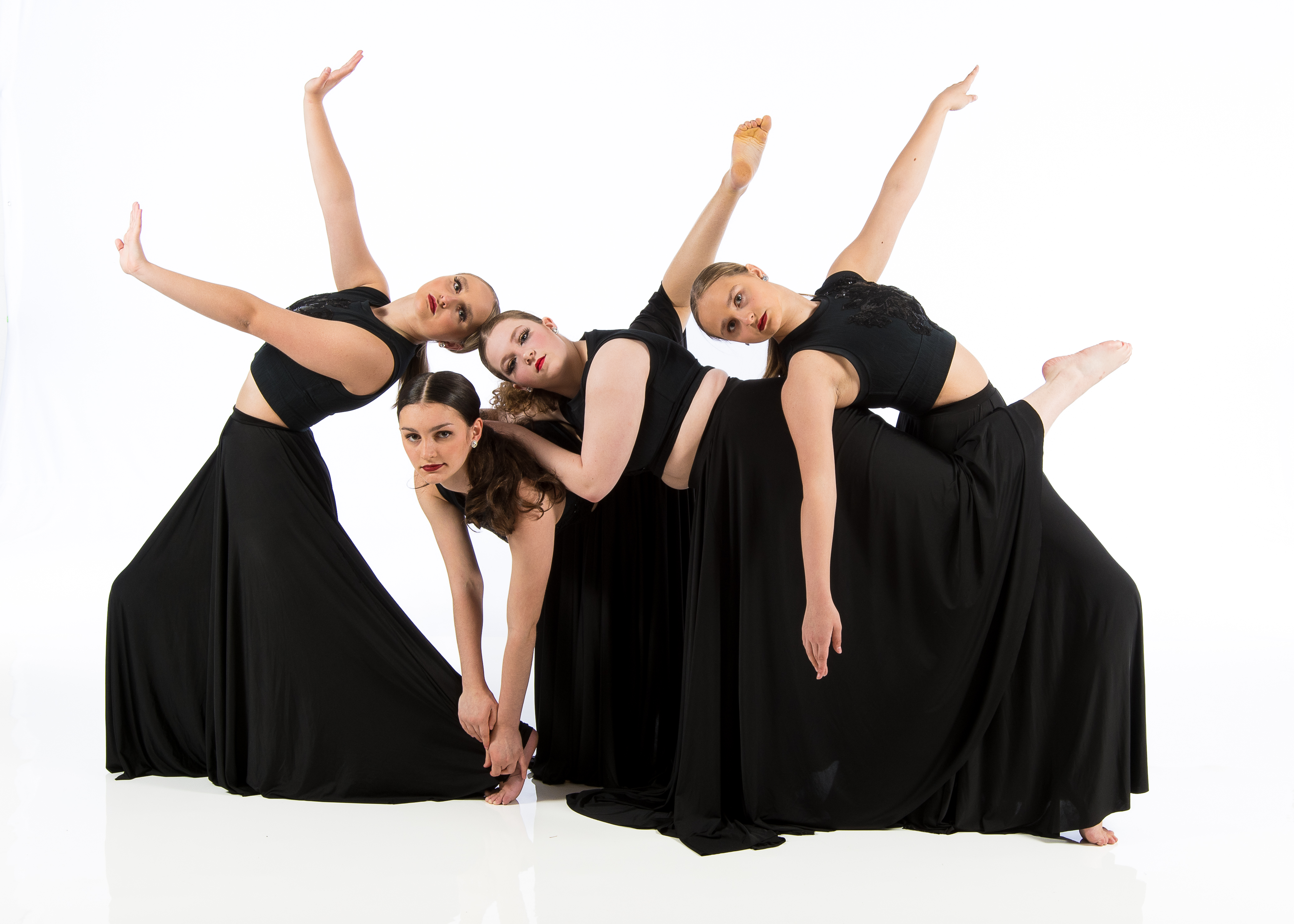
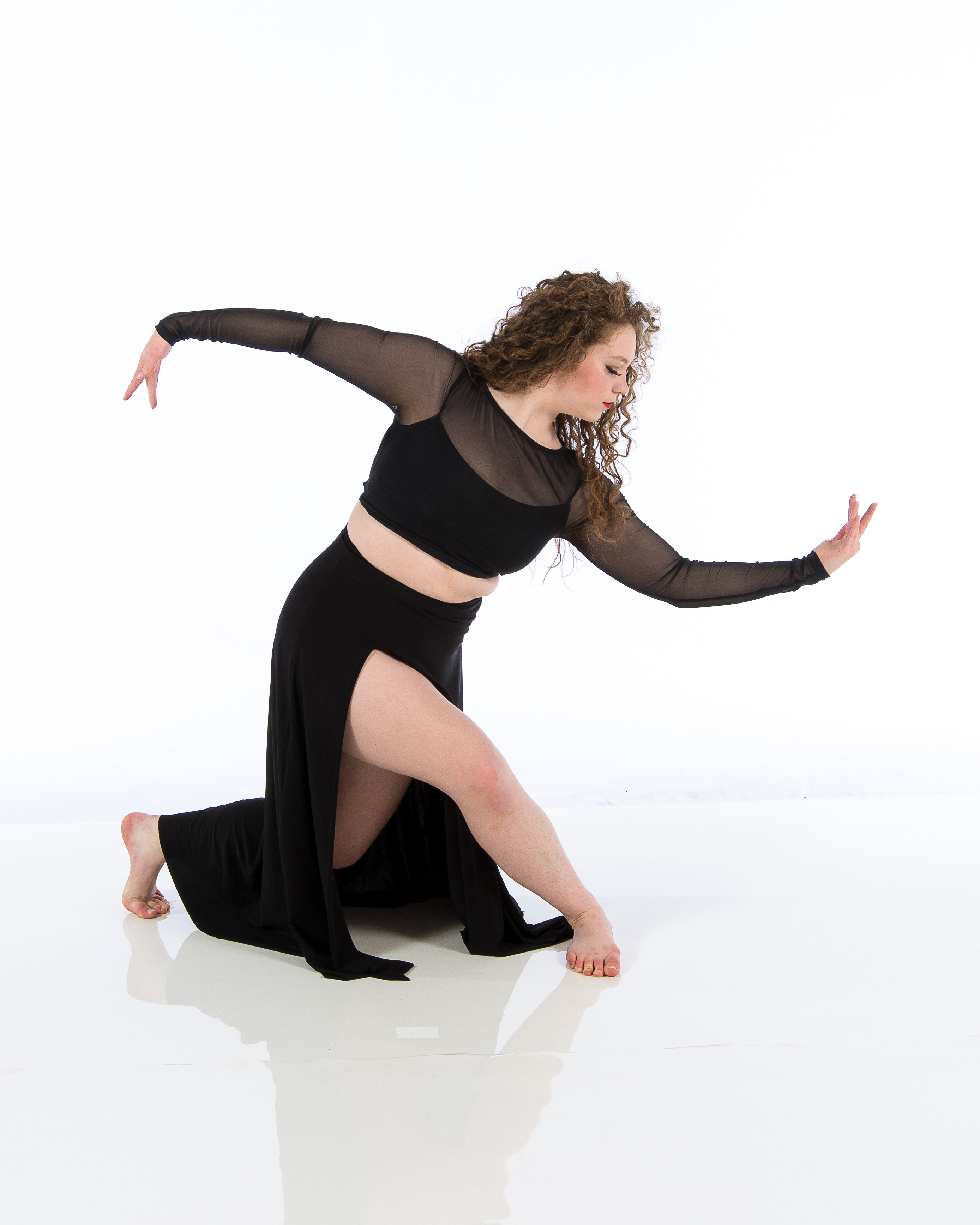
Joining a local dance studio can significantly enhance your experience with dance by providing professional guidance and community support.
Benefits of Joining a Dance Studio
Expert Instruction- Experienced instructors offer classes tailored to various skill levels.
- Learning in a structured environment helps you progress faster than trying to learn on your own.
- Being part of a dance studio creates opportunities for socializing with like-minded individuals who share similar interests.
- Many studios provide chances to perform publicly, allowing you to showcase what you've learned while building confidence on stage.
How Dancing Enhances Mental Health
Dancing acts as an antidote to anxiety and depression by producing endorphins that boost mood levels substantially. By consistently engaging in dance, individuals may find themselves feeling happier over time due to this positive feedback loop from their bodies’ responses during movement.
Dance Therapy: An Emerging Field
Dance therapy combines psychological principles with movement techniques aimed at improving emotional well-being through creative expression via dance forms—offering therapeutic options for various mental health challenges!
FAQs About Dancing
Q1: Is it too late for me to start dancing?
A1: Absolutely not! People of all ages can start dancing at any time; many studios offer beginner classes tailored specifically for newcomers!
Q2: What should I wear when attending my first dance class?
A2: Comfortable clothes that allow freedom of movement are key; consider wearing fitted attire along with supportive shoes designed for dancing!
Q3: How often should I practice if I want to improve?
A3: For noticeable progress, aim for 2-4 times per week; consistency will help solidify skills learned in class!
Q4: Do I need prior experience before joining a class?
A4: No experience necessary! Most classes cater to beginners—just come ready to learn!
Q5: Can dancing really help me lose weight?
A5: Yes! Regular dancing burns calories similar to traditional workouts while being enjoyable at the same time!
Q6: How do I find the right dance style for me?
A6: Consider trying out different styles until you find one that resonates—many studios offer introductory sessions or workshops!
Conclusion
In conclusion, “How Regular Dancing Can Improve Your Overall Quality of Life” highlights the diverse benefits derived from engaging in this art form regularly—from physical fitness enhancements to emotional resilience boosts! By enrolling at your local dance studio, you're not only investing time into learning choreography but also nurturing your mind, body, and spirit simultaneously! So grab those dancing shoes, find rhythm within yourself today—because each step taken brings you closer towards enriching every facet of life! Dance information
Whether you're looking for fun ways to stay fit or seeking deeper connections within community spaces filled with laughter—you'll discover that there's truly magic waiting on the dance floor!